
Solomon Carter Fuller, known as the first Black psychiatrist in America, broke ground in the study of brain diseases and published his vital findings during an epoch in U.S. history that would have erased him from memory. In 2026, psychiatrists are called to fulfill the same duty by witnessing the mental health crisis disproportionately borne by Black communities. According to Constance E. Dunlap, M.D., D.L.F.A.P.A., a career in psychiatry is not only a commitment to science, but also to amplifying the voices of vulnerable populations. Instead of looking the other way, psychiatrists have a duty to confront the truth head-on.
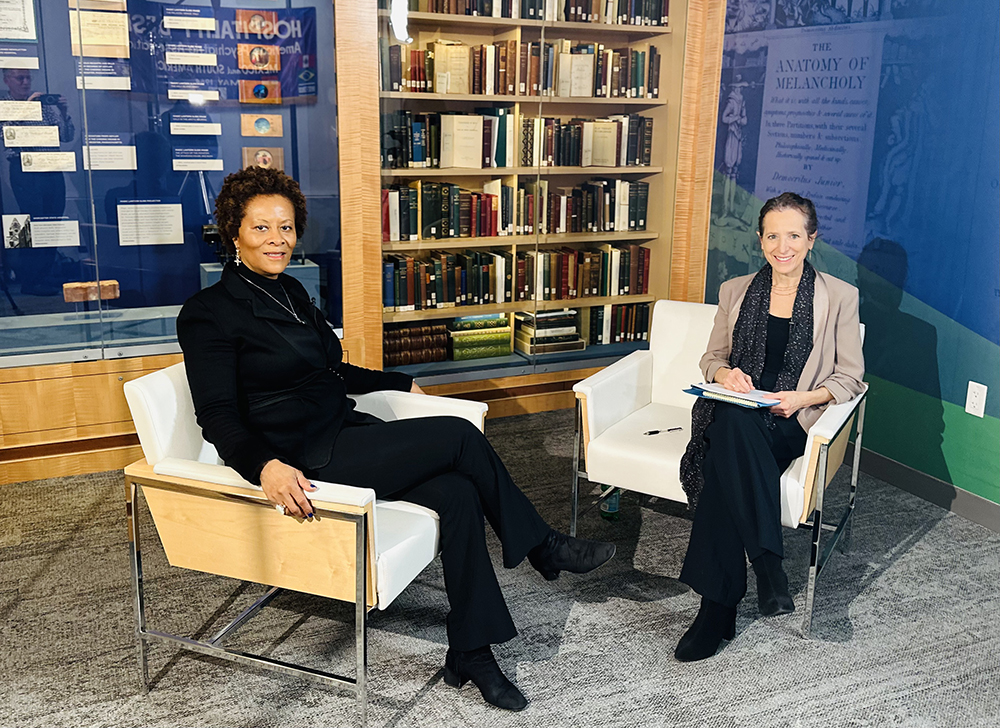
Dr. Dunlap’s lifelong commitment to advancing racial literacy in mental health care and her support for the Black Psychoanalysts History Project, co-sponsored by the APA Foundation and the Washington Baltimore Center for Psychoanalysis, helped her earn the 2026 Fuller Award, which annually recognizes a Black psychiatrist whose work has significantly improved quality of life for Black people. She delivered a lecture at the 2026 Annual Meeting about psychiatry’s duty to bear witness to sanctioned racial aggression and its effects on the mental health of individuals and communities.
"Race has not traditionally been confronted among people who are training to be clinicians,” said Dr. Dunlap. “We want clinicians-in-training to not only acknowledge their identities, but to also own their biases. Because emerging psychiatrists and psychoanalysts have not addressed race in their training, they are often uncomfortable addressing racial issues in their patients and themselves. It's not about one particular racial identity, but having a way to understand racial identity affects every member of the psychoanalytic community. It's not only for communities that have been historically marginalized. We know that people who identify as white are affected by not having a depth of education about race."
Dr. Dunlap was a participant in the Black Psychoanalysts History Project, a video interview archive filmed in the APA Foundation’s Melvin Sabshin, M.D., Library & Archives. The 2014 documentary Black Psychoanalysts Speak partially inspired the oral history project. The seven video interviews raise questions about what it means to be Black, the role of race in psychoanalysis, and developments the field can make to embrace all racial, ethnic, and culturally diverse communities. Dr. Dunlap’s testimony in the Black Psychoanalysts History Project accompanies interviews with fellow APA members Carlotta Miles, M.D., D.L.F.A.P.A., and Henry Edwards, M.D., D.L.F.A.P.A., Marilyn Martin, M.D., a former mentee of Dr. Jeanne Spurlock and Dorothy E. Holmes, Ph.D., a leading psychoanalytic thinker on the effects of racial and cultural trauma.
To learn more about the history of Black psychiatrists and psychoanalysts in America, visit the APA Foundation’s Library and Archives online. To learn more about the Solomon Carter Fuller Award, visit psychiatry.org.